We are administering the seasonal flu vaccine. Please call for appointments. Walk-Ins welcome!


Get Healthy!
- Posted June 15, 2026
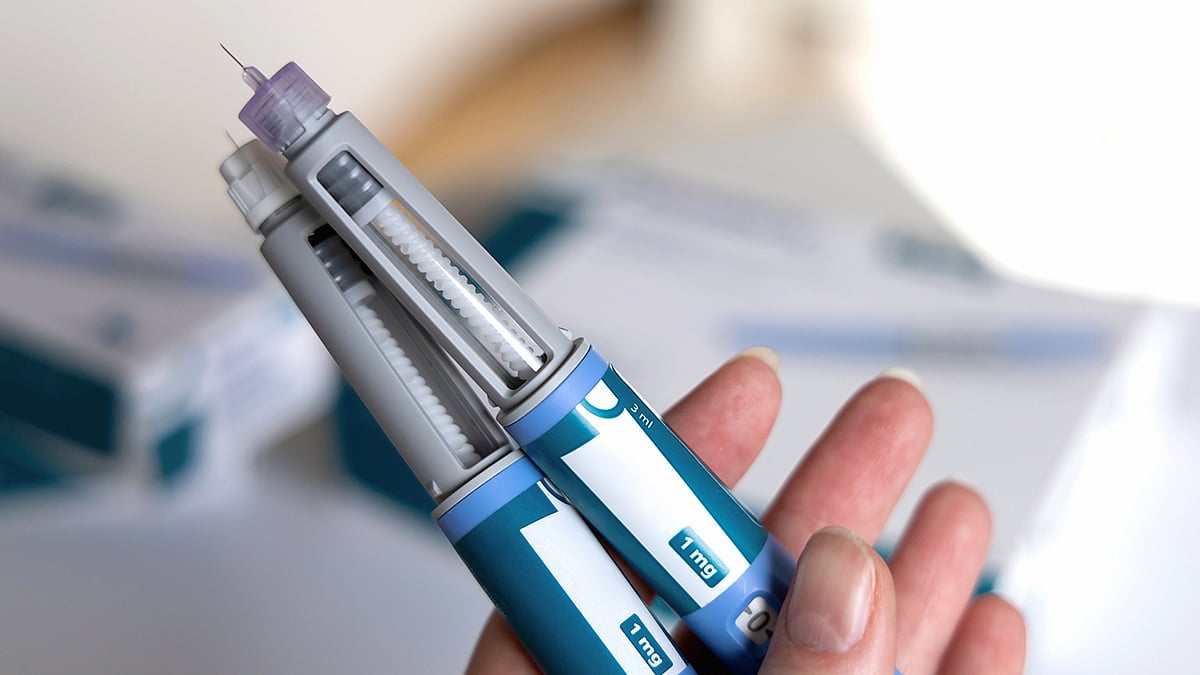
Many Patients Stop And Restart GLP-1 Meds, Study Finds
Folks are told that once you start taking Ozempic or Zepbound, you’ll need to stay on them to maintain the drugs’ benefits.
But patients prescribed such GLP-1 drugs are more likely to stop them and then restart use later than was previously assumed, according to research presented Sunday at the Endocrine Society’s annual meeting in Chicago.
“We found that about 4 in 10 patients stopped their GLP-1 medication within the first year, and nearly 6 in 10 had stopped by the end of two years,” based on insurance records from more than 60,000 Americans with type 2 diabetes, said study investigator Sainikhil Sontha. He's a research associate at Boston University School of Public Health.
However, not everyone who stopped taking their GLP-1 remained off it.
“More than half of those who stopped restarted therapy within a year (42%), and nearly two-thirds did so within two years (58%),” Sontha said in a university news release. “This suggests that for many patients, these medications aren’t being abandoned permanently; use is more start-and-stop than most people assumed.”
Glucagon-like peptide-1 (GLP-1) drugs mimic the GLP-1 hormone, which helps control insulin and blood sugar levels, decreases appetite and slows digestion of food. Originally developed to treat type 2 diabetes, the drugs now are also widely used to lose weight.
For the study, researchers analyzed data on U.S. health insurance claims from early 2019 to mid-2025 for people who started taking liraglutide (Saxenda/Victoza), semaglutide (Ozempic/Wegovy) or tirzepatide (Mounjaro/Zepbound). The group included people 18 to 64 with a body mass index (BMI) of 25 or over, which indicates overweight or obesity. BMI is an estimate of body fat based on height and weight.
The team defined discontinuation as having more than a 60-day gap in GLP-1 prescription refills.
Results showed that people on Medicaid or Medicare, Black patients and those experiencing nausea or other GI side effects were more likely to quit their GLP-1 drug.
Folks were 10% less likely to quit if their first GLP-1 drug was prescribed by an endocrinologist, researchers said.
People taking tirzepatide were 41% less likely to quit than those taking older drugs like liraglutide, while semaglutide users were 28% less likely.
“This research matters because consistent use of these medications is what produces their protective effects,” Sontha said. “Stopping early may mean missed opportunities to prevent heart attacks, kidney disease progression and other complications.”
Because these findings were presented at a medical meeting, they should be considered preliminary until published in a peer-reviewed journal.
More information
Harvard Medical School has more on weight-loss medications.
SOURCE: Endocrine Society, news release, June 14, 2026


